
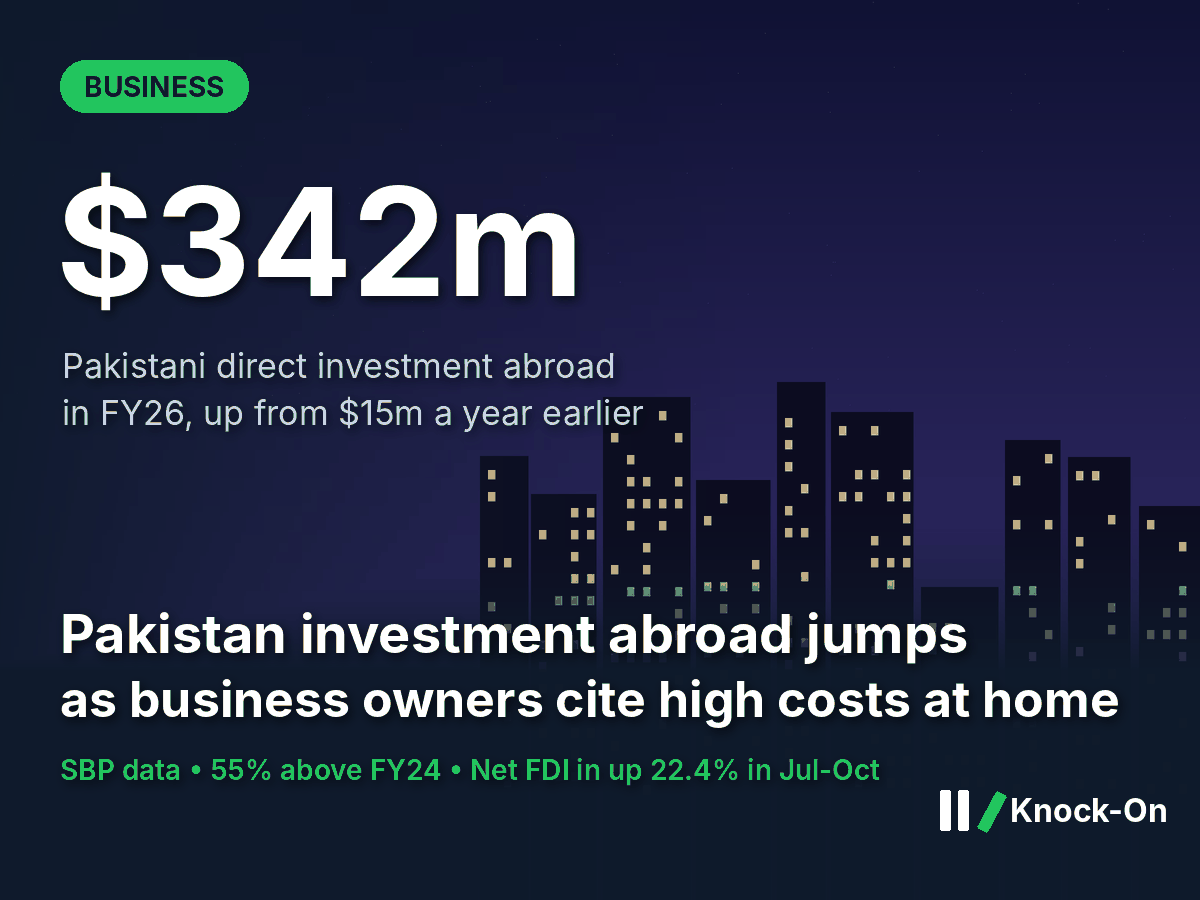
Pakistan investment abroad rebounded sharply last fiscal year. Direct investment by Pakistanis in businesses outside the country reached $342 million in the year to June 2026, up from $15 million the year before, according to State Bank of Pakistan data reported by Arab News on 18 November. Karachi’s business leaders say the reason is not only opportunity overseas but also the cost of operating at home, and that matters for every company deciding where to put its next factory or office.
The short version
- Recorded Pakistani direct investment abroad rose nearly 23-fold to $342m in FY26, from $15m in FY25.
- The FY26 figure is about 55% above the $220m recorded in FY24.
- Net foreign direct investment into Pakistan also rose, by 22.4% to $936m in July-October 2026.
- The Karachi Chamber’s president blamed high electricity and gas prices for making Pakistan “uncompetitive”.
What happened
The State Bank’s data show Pakistan investment abroad swinging from a near-standstill in FY25 back above its FY24 level. The figure covers recorded direct investment only, meaning stakes in businesses and operations outside Pakistan. Talat Mahmood, president of the Karachi Chamber of Commerce and Industry, told Arab News he believes more money leaves through unofficial channels, but he did not estimate how much.
Outward investment is back above its FY24 level
Recorded Pakistani direct investment abroad, US$ million, fiscal years to June
Money is also coming in. Net FDI into Pakistan rose 22.4% to $936m in the first four months of FY27, from $764m a year earlier, central bank data show. So the outward figure is not a sign that investment has stopped flowing into the country, but it is a reminder that Pakistani capital has options.
Foreign investment into Pakistan is rising too
Net foreign direct investment into Pakistan, July-October, US$ million
Why it matters
Business leaders frame the rise as a cost story. “The biggest problem is that we are uncompetitive. Electricity and gas prices are high,” Mahmood said, adding that he was struggling to retain local investors. Aslam Pakhali, the chamber’s senior vice president, said exporters face costs at every stage, from running a business to getting goods to a buyer overseas. Some exporters have opened distribution operations in Dubai that import Pakistani fruit and vegetables and re-export them.
The State Bank’s own annual report, which also set out its GDP growth forecast for FY27, named corporate taxes, energy costs, infrastructure and policy uncertainty as concerns for businesses deciding where to invest. Borrowing is also dearer: the SBP raised its policy rate by half a point to 12% in October. Sana Tawfik, head of research at Arif Habib Ltd, said more predictable tax policy and lower borrowing and energy costs would help Pakistan keep investment, Arab News reported. Finance adviser Khurram Schehzad and Information Minister Attaullah Tarar did not respond to Arab News’ requests for comment.
The knock-on effects
First order: Pakistan investment abroad drains some capital
At $342m, outward investment is modest next to the $936m that came in during just four months. It adds to other outflows, such as the $2.31bn in profits repatriated by foreign firms last year, that compete for the same dollars.
Second order: export operations move offshore
When exporters set up trading hubs in Dubai, some of the value they add, including margins, logistics and jobs, is earned abroad rather than in Pakistan.
Third order: pressure on energy and tax policy
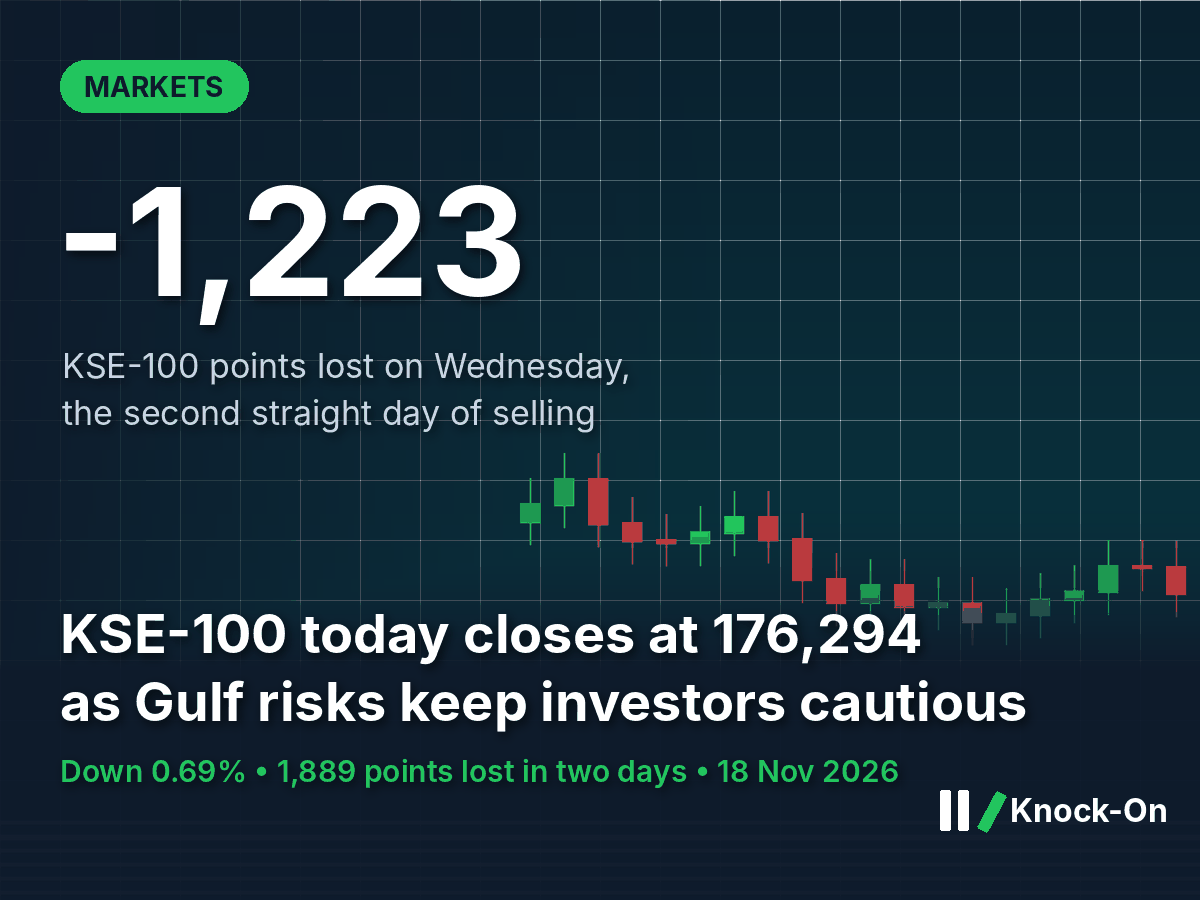
The figures give business chambers a fresh argument in talks with the government over power tariffs, gas prices and tax rates, at a time when the market is already nervous: the KSE-100 fell 1,223 points today.
Who could benefit
- Exporters with overseas hubs: Dubai-based distribution can cut costs and reach more markets.
- Gulf free zones: they gain Pakistani companies, trade flows and service fees.
- Sectors attracting FDI: rising inflows show foreign investors still see openings in Pakistan.
Who may face pressure
- Local suppliers and workers: they lose business when operations shift abroad.
- The government: it must show progress on energy costs and tax predictability.
- Energy-intensive manufacturers: they face the same costs that chamber leaders cite.
What to watch
- Monthly SBP data: whether FDI inflows keep growing after October.
- Power and gas tariffs: any relief for industry would address the chamber’s main complaint.
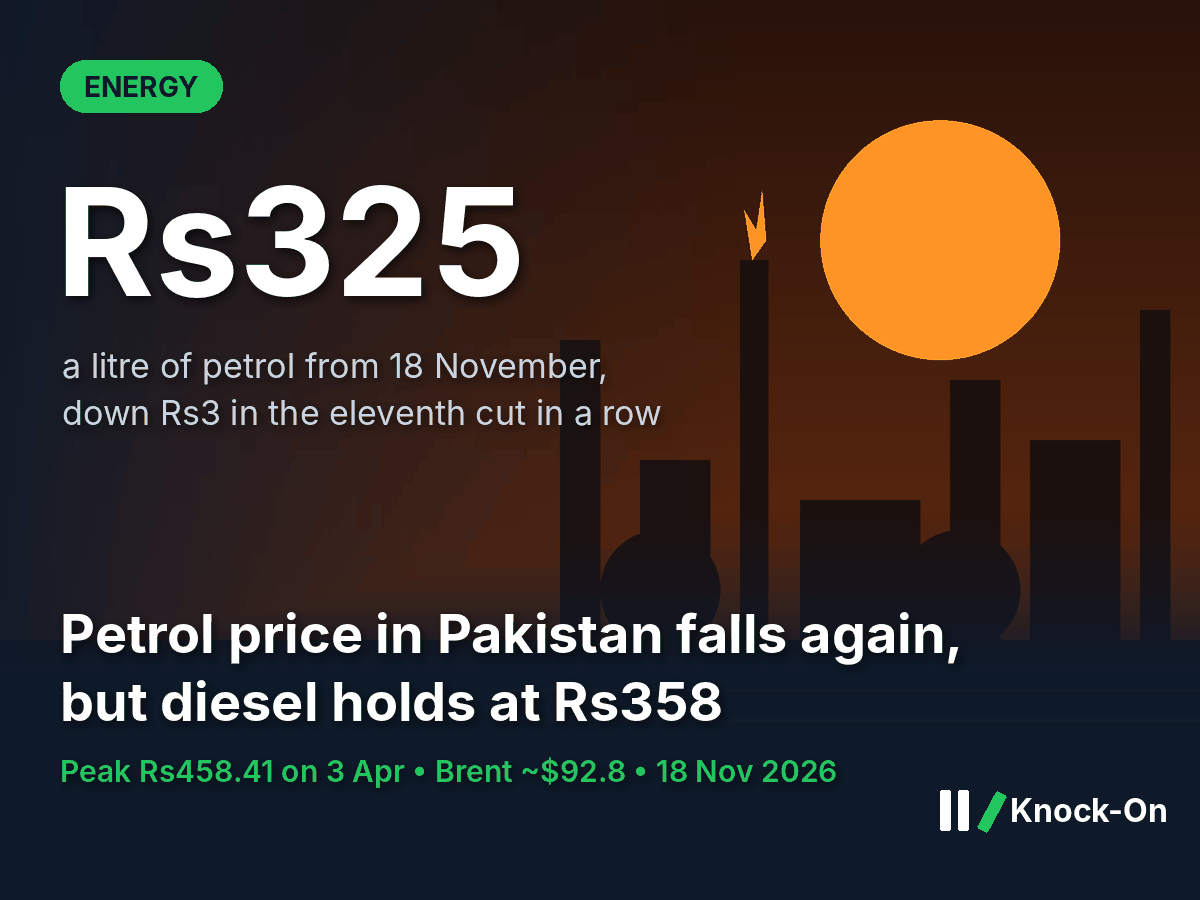
- SBP’s next policy decision: whether the 12% rate holds as oil prices ease.
Sources
- Arab News Pakistan, Pakistanis’ direct investment abroad rebounds to $342 million after sharp fall, 18 November 2026
This is analysis, not investment advice. Figures are as of 18 November 2026.
Leave a Reply