
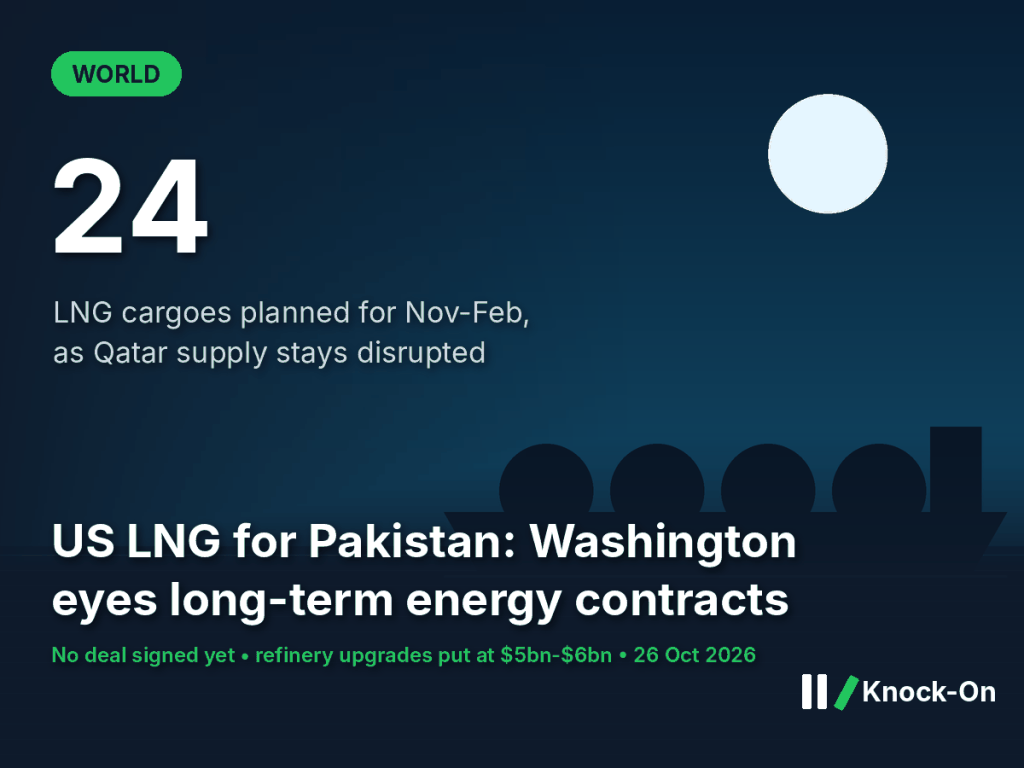
US LNG for Pakistan moved onto the agenda on Monday, 26 October, when the United States’ Chargé d’Affaires in Islamabad, Natalie Baker, met Petroleum Minister Ali Pervaiz Malik. According to the Petroleum Ministry, she expressed optimism about long-term energy supply contracts, and the heads of Pakistan State Oil and Pakistan LNG Limited said American companies want to sell liquefied natural gas to Pakistan. No contract was signed. For businesses that depend on gas and fuel this winter, the meeting is a signal about where supply could come from next, not yet a change in price or volume.
The short version
- The US side expressed interest in long-term energy supply contracts with Pakistan, the Petroleum Ministry said; no volumes, prices or companies were named.
- Pakistan asked US financial institutions to invest in refinery upgrades, a programme estimated at $5bn (Dawn) to $6bn (Arab News) over five years.
- Qatar, Pakistan’s main LNG supplier, has been under force majeure since March; the winter plan calls for 24 cargoes from November to February.
What happened
Dawn reports that Mr Malik briefed Ms Baker on the steps Pakistan has taken to keep fuel available while the Middle East conflict disrupts supply. Ms Baker praised Pakistan’s handling of fuel supply, noting that there had been no shortage, and said Washington wants to work closely with Islamabad on its energy needs. Mr Malik said the refinery upgrade programme “could offer investment opportunities for US financial institutions”. He also invited American firms to the Pakistan Minerals Investment Forum next month.
Arab News notes that the US embassy has not issued its own account, and that the ministry did not say whether negotiations have formally started. Four of Pakistan’s five refineries signed upgrade agreements with the government last month, according to Dawn.
The winter LNG plan is a third smaller than normal Qatar supply
LNG cargoes, November 2026 to February 2027
Why it matters
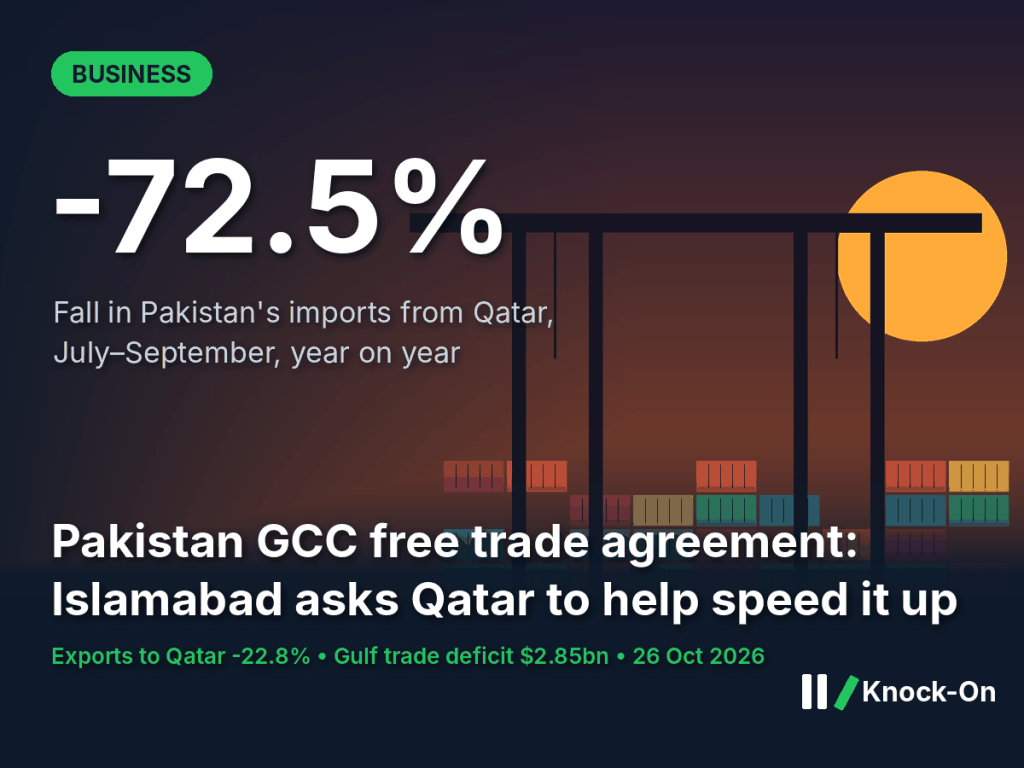
Pakistan normally receives about nine LNG cargoes a month from Qatar under long-term agreements, Arab News reports. Qatar declared force majeure in March after an attack on its gas facilities during the US-Iran conflict, and shipping through the Strait of Hormuz has also been disrupted. The winter plan therefore leans on Qatar and on spot purchases, where buyers pay the going price. A US LNG supply deal for Pakistan would add a source that does not pass through Hormuz. That matters for the same reason the Makkah pact Iran talks in Tehran matter: Pakistan’s fuel bill depends on Gulf security.
The knock-on effects
First order: US LNG would give Pakistan a supply route outside the Gulf
Power plants, industry and households, which rely on imported LNG, would gain from more sources, especially if Gulf shipping stays risky. Cargoes from the US travel a longer route, so freight costs and delivery times would be part of any price negotiation.
Second order: long-term contracts carry take-or-pay risk
The Institute for Energy Economics and Financial Analysis has warned that take-or-pay obligations could cost Pakistan heavily if gas demand falls again, Arab News reports. Any new contract’s volume and flexibility will matter as much as its price.
Third order: refinery finance and the import bill
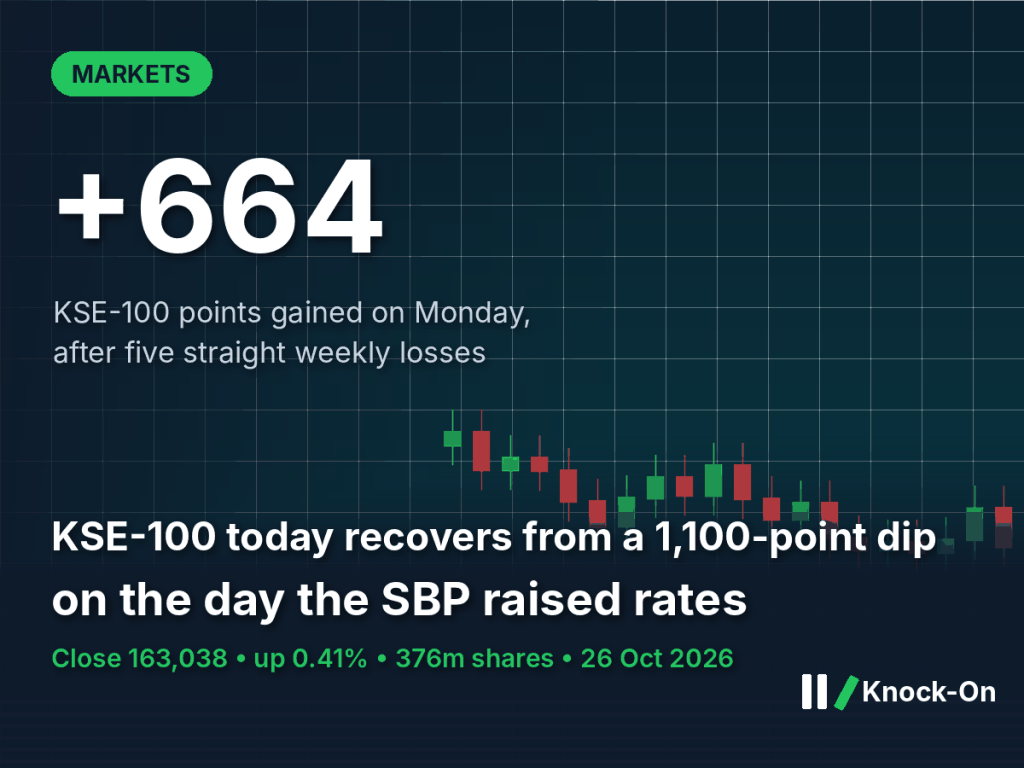
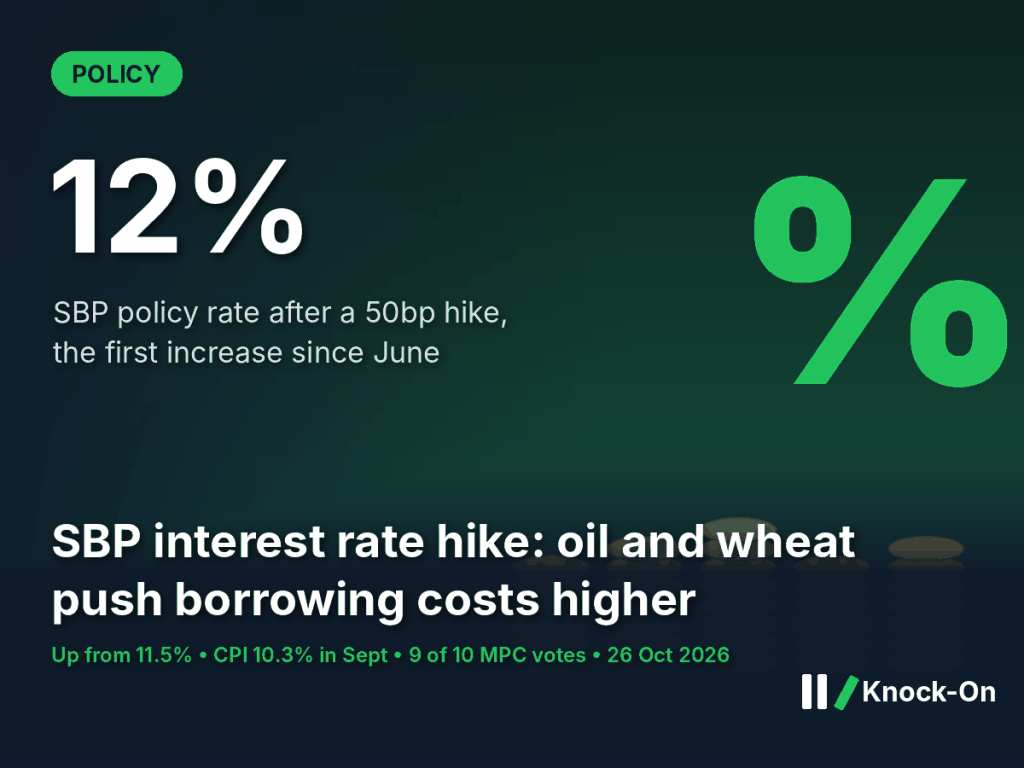
Upgraded refineries are meant to produce cleaner fuel and more output locally. If US lenders take part, that could reduce reliance on imported petrol and diesel over time. In the short term, import costs remain high: the State Bank cited oil prices when it raised the SBP interest rate to 12% on Monday.
Who could benefit
- Gas-dependent industry: industries that run on imported gas would gain from more supply sources if contracts are signed.
- Refiners: the four that signed upgrade agreements could gain a new source of finance.
- Minerals investors: the invitation to US firms raises the profile of next month’s investment forum.
Who may face pressure
- Gas consumers this winter: spot cargoes are bought at prevailing prices, and nothing signed on Monday changes that.
- The circular-debt chain: take-or-pay volumes that are not used still have to be paid for.
- Fuel retailers: supply has held, but as our fuel shortage analysis found, prices remain the bigger problem.
What to watch
- Any statement from the US embassy, and whether named US suppliers enter talks.
- Delivery of the November LNG cargoes under the winter plan.
- The Pakistan Minerals Investment Forum next month, and US company attendance.
- Whether Qatar lifts its force majeure, which would ease the need for new contracts.
Sources
- Arab News, US eyes long-term energy supply contracts with Pakistan amid US-Iran war disruptions — ministry, 26 October 2026
- Dawn, Pakistan seeks investment from US in oil refinery upgradation projects, 26 October 2026
- Investify, Pakistan, US discuss long-term energy supply contracts, 26 October 2026
This is analysis, not investment advice. Figures are as of 26 October 2026. Knock-On is not affiliated with any political party.

Leave a Reply