
Good morning. Here is what moved Pakistani business this week, and why it matters.
The week in one minute
- Pakistan reached a staff-level agreement with the IMF that would release about $1.2 billion, but on condition that monetary policy stays “appropriately tight”.
- Workers in Saudi Arabia sent home $899.1 million in September as Houthi attacks led PIA to suspend Riyadh flights.
- The KSE-100 fell 0.69% over the week to 167,089, with oil and politics outweighing the IMF news.
- Nepra set grid charges for the competitive power market, clearing the way for a first 400MW auction.
- Petrol is Rs398.30 a litre, about 28% above its level before daily pricing began in July.
- Wholesale inflation reached 13.3% against 10.3% for consumer prices, with flour up 5.69% in a single week.
The stories that mattered
IMF deal is done. Cheaper loans are not part of it.
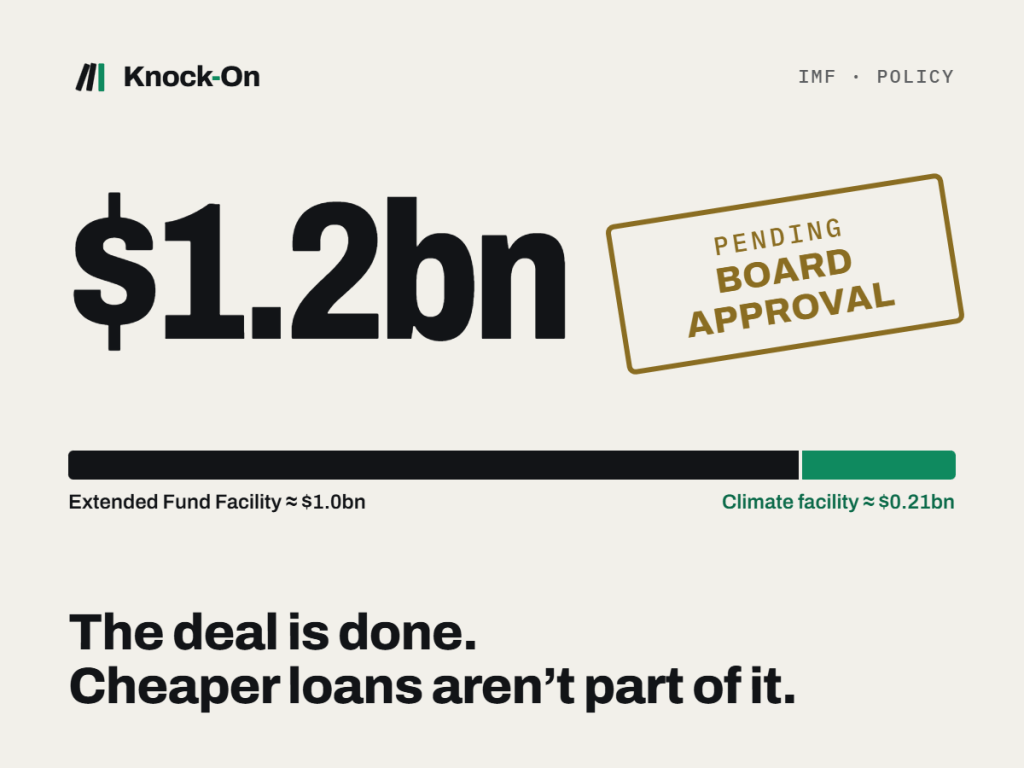
IMF staff and Pakistan agreed the fourth EFF review and third RSF review, which on Executive Board approval would release about $1.0 billion plus about $210 million. The Fund wants a primary surplus of 2% of GDP in FY27 and monetary policy that stays “appropriately tight”. With September inflation at 10.26% and the policy rate at 11.5%, the real rate is only about 1.2 points, leaving little room for cuts.
Why it matters: The deal brings stability, not stimulus. Plans built on cheaper borrowing in the coming months may need to be re-run at current rates.
Saudi Arabia is Pakistan’s biggest remittance source. The Houthi attacks have made it a business risk.
Remittances reached $3.6 billion in September, up 12.7% year on year, with Saudi Arabia contributing $899.1 million, about a quarter of the total. Houthi strikes on Saudi airports led PIA to suspend Riyadh flights, while Brent returned above $100 a barrel. PSO also signed a supply agreement with Oman’s OQ Trading, though volumes were not disclosed.
Why it matters: Inflows are strong for now, but a widening Gulf conflict puts travel links, fuel costs and Pakistan’s most important remittance corridor at risk.
The IMF deal couldn’t lift the PSX. Oil and politics are setting the direction.
The KSE-100 fell 2,288 points on Monday as government–PTI talks failed, rebounded on Tuesday, and closed 1,139 points lower on the day the IMF agreement was announced. It ended Friday at 167,089.27, down 0.69% for the week and almost 13% below its 52-week high. Brent rose above $104 a barrel on Thursday on supply fears around the Strait of Hormuz.
Why it matters: A weaker, volatile market makes it harder and more expensive for companies to raise equity while oil and politics remain unsettled.
Factories can now shop for power on an open market. Skip the auction and the grid charge roughly triples.
Nepra has cleared the use-of-system charges for the competitive power market, opening the way for a first 400MW auction, delayed since June. A B-3 factory buying through the auction pays Rs6.23 a unit to use the grid; one that bypasses it pays Rs19.17. Only about 3,000 bulk consumers are eligible.
Why it matters: It is the first real chance for large users to negotiate their own power supply, but capacity is limited and savings depend on generation bids not yet known.
Petrol is Rs87 a litre dearer than before daily pricing. Friday’s 66-paisa cut barely registers.
Petrol fell 66 paisas to Rs398.30 a litre and diesel rose 52 paisas to Rs396.24 for 10 to 12 October. Since daily pricing began in July, petrol has risen by about Rs87.59 a litre and diesel by Rs72.94. Prices are set on a seven-day average of international oil prices.
Why it matters: Transporters, farmers and fleet operators face higher costs, and businesses quoting fixed freight or delivery rates now carry the risk of prices moving between quote and trip.
Wholesale prices are rising faster than shop prices. Flour and fuel are leading the way.
The National Price Monitoring Committee was told wholesale inflation had reached 13.3%, against 10.3% consumer inflation in September. The weekly SPI rose 0.57%, led by wheat flour (+5.69%), and Karachi millers raised flour prices by Rs20 a kilogram over a few days. Sindh plans to release government wheat at Rs12,500 per 100kg from 15 October.
Why it matters: Businesses that buy at wholesale and sell to households are absorbing costs they have not passed on, while provincial price-control drives make raising prices harder.
Commercial used-car imports jumped from 48 to 2,276 a month. Carmakers want the door shut.
Commercial imports of used vehicles rose from 48 units in May to 2,276 in September, and a 30 September EDB notification removed minimum capital and after-sales requirements for importers. PAMA estimates losses of more than Rs50 billion for local industry and has asked for the notification to be suspended.
Why it matters: Buyers gain choice, but assemblers and parts makers face lower volumes, and the new auto policy will decide the tariff on fully built imports.
What to watch next week
- Fuel prices: the next notification, after current rates expire on 12 October.
- 15 October: Sindh’s release of government wheat at Rs12,500 per 100kg, and whether mill flour prices ease.
- 16 October: the next weekly SPI release.
- Auto policy: cabinet approval is expected within about two weeks of 7 October.
- Further ahead: the IMF Executive Board date, and the SBP Monetary Policy Committee on 26 October.
Read every story with charts and sources at knockonbrief.com.
Follow Knock-On for headlines through the week: Instagram · Facebook · X · YouTube · Threads
This email comes from a no-reply address. Questions about the newsletter: newsletter@knockonbrief.com. Everything else: hello@knockonbrief.com. Story tips: tips@knockonbrief.com. Knock-On publishes analysis, not investment advice.




